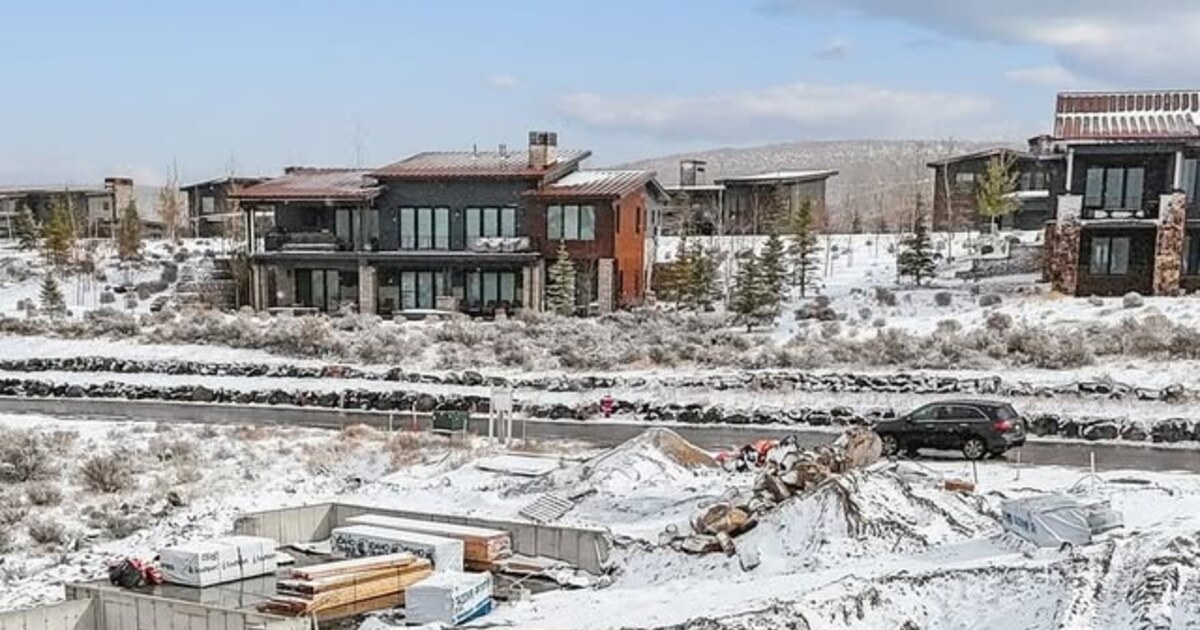
If you are comparing concrete contractor Park City UT options, start with field proof: scope details, Summit County code fluency, a written plan, and a contractor who can explain how the pour will handle Park City's altitude, frost depth, drainage, and cure window.
Key Takeaways
- A good concrete contractor in Park City, UT will guide you from design through curing, not just "place concrete."
- Compare bids based on scope details (subgrade prep, reinforcement, joints, curing) rather than price alone.
- Park City's elevation and Summit County frost-depth requirements make mix design, cold-weather planning, and disciplined curing important.
- Use a simple decision checklist: licensing/insurance, proven Summit County work, clear contract language, and a quality plan.
What a Park City concrete contractor should handle (beyond pouring)
Concrete work succeeds or fails long before the truck shows up. The right contractor will manage the full process, including:
- Scope clarification: exact dimensions, thickness, finish type, slope/drainage, and edges/curbs.
- Subgrade and base prep: excavation, compaction, and base material selection — especially important on Park City lots with variable soils ranging from clay to decomposed granite to exposed bedrock.
- Reinforcement planning: rebar or welded wire fabric placement and support so it ends up where it's designed to perform.
- Forming and layout: square corners, consistent elevations, and correct slopes away from structures.
- Placement and finishing: consolidation, screeding, floating/troweling, broom or decorative finishes.
- Jointing and crack control: saw cuts/control joints placed at the right spacing and timing.
- Curing and protection: curing method selection, cold-weather planning for Park City winters, and barricading.
- Cleanup and closeout: sealing (if specified), punch list, and maintenance guidance.
If a bid skips these details, you are not comparing the same scope, no matter how polished the quote looks.
Common residential and commercial concrete projects in Park City
Buyers often search for a concrete contractor in Park City, UT when planning:
- Driveways and approaches: need the right thickness, reinforcement, and slope so snowmelt does not pool near the home.
- Custom home foundations: Summit County footing work needs frost-depth planning. Confirm the required depth in the plans and with the local inspector before excavation.
- Patios and walkways: finish quality and drainage details matter as much as strength. Snow-country sealers and proper joint spacing help reduce early scaling and cracking.
- Garage and shop slabs: coordinate a garage-slab scope review so intended use, approved details, under-slab trades, drainage, finish, curing, and handoff expectations are defined up front.
- Commercial flatwork and ADA ramps: slope tolerances and surface texture require careful layout and finishing, especially in busy areas like Kimball Junction and Canyons Village.
A practical approach is to match the specification to the use case. A decorative Deer Valley patio may prioritize finish and color consistency, while a Promontory custom-home driveway prioritizes thickness, reinforcement, and plow-traffic durability.
Concrete performance at Park City elevation: mixes, air, and freeze-thaw basics
Park City's elevation and temperature swings can punish concrete that's placed without the right mix design and finishing discipline. When evaluating a contractor, ask how they address:
- Air-entrained concrete for exterior slabs: entrained air improves freeze-thaw durability when moisture is present. In Park City, it should be part of the exterior flatwork discussion and paired with proper finishing and curing.
- Strength vs. durability: higher strength alone doesn't guarantee long-term performance; water-cement ratio, air content, finishing timing, and curing are major factors.
- De-icer and scaling risk: surface scaling can occur when finishing or curing is rushed, or when concrete is exposed to harsh de-icers too early. A contractor should give realistic guidance on when de-icers are safe to use.
- Cold-weather placement: Park City winters can push pours into freezing conditions. Cold-weather plans may include adjusted mixes, ground heaters, insulated blankets, and longer cure protection.
- Hot-day curing: summer days at altitude can bring intense UV and low humidity. Evaporation control and disciplined curing help reduce surface crazing and plastic shrinkage cracks.
Site prep and drainage: where most long-term problems start
Many "bad concrete" complaints are really base and drainage problems. Before signing a contract, confirm your Park City contractor has a defined plan for:
- Excavation to proper depth (including removing soft or organic soils — common on Summit County lots where landscaping fill has been added).
- Base material and thickness (granular road base or similar), not just "a little gravel."
- Compaction method and lifts (and how they verify it).
- Slope away from structures and drainage pathways that prevent ponding and ice buildup — critical on Park City lots where snowmelt runs for months.
- Frost-depth compliance — footings planned to meet Summit County requirements for the project.
- Vapor barriers where appropriate (conditioned spaces, garages, certain interior slabs).
- Protection of adjacent structures and landscaping — especially important in Old Town Park City, where lots are tight and neighbors are close.
If you want fewer cracks, dips, and drainage surprises, prioritize the contractor who is most specific about prep. Be wary of anyone promising "no cracks." All concrete can crack; good planning controls where and how it happens.
Bids and contracts: how to compare scope, not just price
Two Park City bids can be hundreds or thousands apart because one includes key line items the other omits. Here's a practical way to compare:
What should be spelled out in writing
- Thickness (e.g., 4", 5", 6") and where thickened edges or footings apply
- Reinforcement type, size, and placement method (chairs/supports)
- Frost depth confirmation — 36-inch minimum for Summit County footings, per the Summit County Design Criteria
- Control joint plan (spacing, layout, saw-cut timing)
- Finish (broom, trowel, exposed aggregate, stamped, board-form, etc.)
- Curing method (compound, wet cure, coverings) and duration expectations
- Cold-weather plan (heaters, blankets, accelerated cure) if pouring in shoulder or winter season
- Sealer (product type, number of coats, timing) if included
- Weather contingencies and schedule shifts
- Change-order process so additions don't become disputes
Red flags in a low bid
- "Includes concrete work" with no thickness, base, frost depth, or jointing details
- No mention of curing (often the most overlooked durability step at altitude)
- Vague language on reinforcement ("as needed")
- No cold-weather plan on a winter or shoulder-season pour
- Unclear exclusions (haul-off, permits, demolition, base repair)
This is where a buyer's decision gets easier: choose the proposal that reduces unknowns, even if it's not the cheapest.
Quality control on pour day
Execution matters. A reliable Park City contractor will have a crew and process sized to the pour — not "whoever is available."
Key quality points to ask about:
- Placing and consolidation: how will they avoid honeycombing, voids, and segregation?
- Finishing timing: overworking the surface or finishing too early can trap water and weaken the top layer — a common altitude pour mistake.
- Jointing plan: properly spaced control joints help manage shrinkage cracking. Ask when they'll saw-cut.
- Curing commitment: contractors should specify how they cure and how long they protect the slab. At altitude, curing requirements are often longer than at Wasatch Front elevations.
- Cold-weather protection: ground heaters, insulated blankets, and temperature monitoring when conditions call for them.
- Protection: how do they keep traffic, pets, and snowmelt off the slab during cure?
Choosing the right Park City concrete contractor: a simple checklist
- Park City portfolio: projects similar to yours in Park City neighborhoods, with photos and references.
- Summit County experience: familiarity with Summit County inspectors, 36-inch frost depth, and cold-weather pour discipline.
- Clear scope document: prep, base, thickness, reinforcement, joints, curing — written and specific.
- Insurance and Utah licensing: proof of DOPL license and active insurance.
- Schedule realism: start date, duration, weather allowances, and communication expectations.
- Professional communication: fast, clear answers and a defined change-order process.
- Material sourcing: how they coordinate ready-mix delivery to Park City and handle weather delays.
- Site protection and cleanup: landscaping protection, haul-off, and final walkthrough.
When you're ready to move forward, Summit Concrete & Construction Services LLC is focused on Park City and Summit County work: disciplined prep, durable mixes, and clean execution for mountain-season concrete.
FAQ
How long before I can walk or drive on new concrete in Park City?
Light foot traffic is often possible within a day, but vehicle traffic typically requires longer — especially in cold weather, when strength gain is slower. The right answer depends on thickness, mix, temperature, and curing method. Ask your contractor for project-specific guidance and respect the cure window to avoid premature damage.
Will my new slab crack?
Concrete can crack due to shrinkage and temperature movement. Park City's freeze-thaw cycles and altitude pour conditions make good prep even more important. A good contractor reduces risk with proper base prep, reinforcement, correct joint spacing, and disciplined curing — then "controls" cracking with joints.
What's more important in Park City: thicker concrete or better base prep?
Both matter, but base prep, drainage, and frost-depth compliance are frequent root causes of settling and uneven slabs in Summit County. Thickness helps, yet a poorly prepared subgrade or a footing that doesn't reach the 36-inch frost line can still fail.
Do I need a sealer for my Park City driveway or patio?
Sealant can help with stain resistance, de-icer protection, and weathering — all of which matter more in Park City than at lower elevations. Sealing is especially important on decorative finishes. The best timing and product type depend on the finish, expected traffic, de-icer exposure, and curing timeline.
Can concrete be poured in Park City during winter?
Yes, when conditions and planning support it. Winter concrete may require adjusted mixes, ground heaters, insulated blankets, temperature monitoring, and longer cure protection. Ask the contractor how they decide whether to pour, delay, or protect the work.