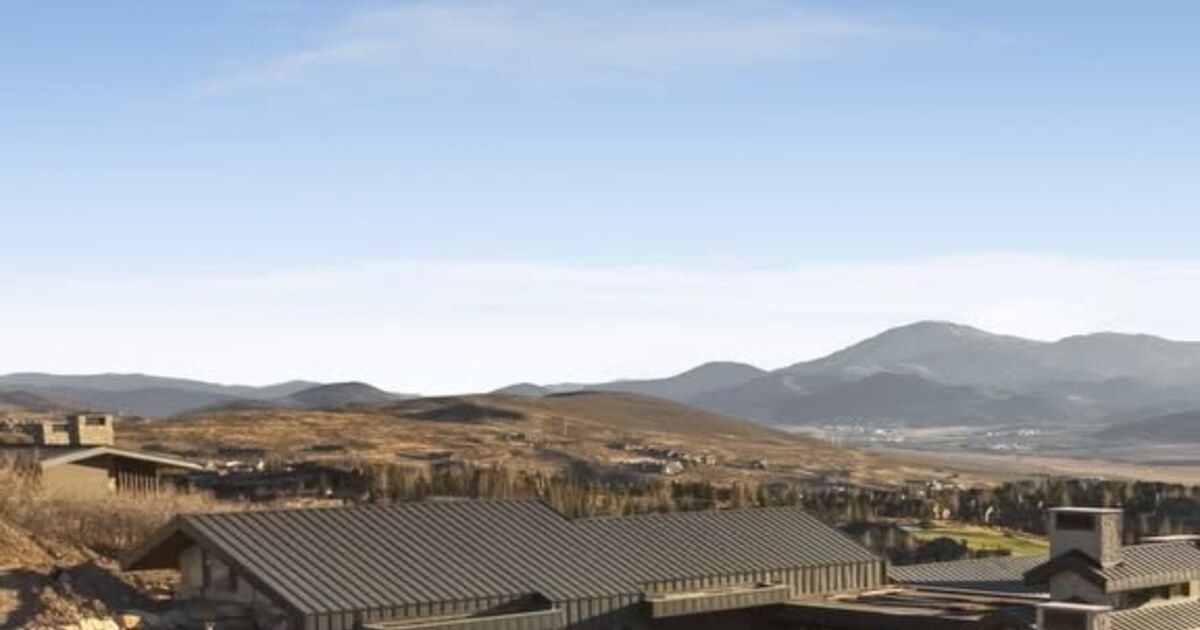
Vetting a concrete subcontractor for a Park City custom home is not a search for the best slogan or the shortest drive. It is a structured check that the company, proposed scope, field lead, and site plan fit the project in front of you.
The goal is not to eliminate every unknown before award. It is to expose the unknowns that would otherwise appear during excavation, inspection, placement, or the handoff to the next trade.
Start with a project-specific prequalification packet
Ask every bidder for the same small packet so comparisons stay useful:
- legal business name and the Utah license number and classification that apply to the proposed work;
- certificate of insurance sent through the normal project process;
- two recent, comparable project references that you can contact;
- name of the person who owns the field scope and who can approve a change;
- inclusions, exclusions, and assumptions tied to the current plan revision;
- preliminary access, staging, washout, inspection, and weather-protection plan;
- proposed sequence from layout through cleanup and next-trade release.
Utah licenses contractors by classification, which identifies the work a licensee may perform. The state provides a Construction Business Registry and DOPL license services for verification. DOPL notes that the registry shows only active licensees who have opted in, so a registry result is one input, not a substitute for a license lookup, insurance confirmation, and project-specific contract review.
Verify four things before comparing price
1. Identity and authority
Confirm the legal entity on the proposal, the applicable license information, and the person authorized to make field decisions. Ask whether the estimator remains involved after award or hands the project to a separate supervisor.
This is not an argument that one staffing model is always better. It is a way to document who receives plan revisions, who resolves conflicts, and who signs off before a truck is released.
2. Comparable work
“Custom home” covers very different concrete packages. A reference is more useful when it resembles the current work in structure type, site access, season, finish expectations, and handoff complexity. Ask what the sub actually performed on the cited project. A photograph credited to a builder does not, by itself, prove the scope of every trade shown in the image.
3. Scope completeness
Normalize the bids against the same work breakdown. At minimum, compare layout responsibility, excavation interface, base preparation, formwork, reinforcement, embedded items, concrete supply assumptions, placement, finish, joints, curing, protection, testing, cleanup, and exclusions.
Our Park City concrete contractor checklist turns those categories into nine line items for a bid-level review.
4. Site and inspection readiness
Summit County states that building permits and inspection scheduling are handled through EPROCESS 360. Its building page also notes that some sites may require planning approval and that lots with slopes of 15 percent or greater require geotechnical reports. The applicable requirements depend on jurisdiction, permit, plans, and the building official, so the pre-pour checklist should point to the approved project documents rather than a generic rule of thumb.
Review the current Summit County Building Department guidance with the GC and design team. For work inside Park City limits, verify the Park City requirements that apply to that address.
Ask how the sub controls handoffs
A useful interview follows the work sequence instead of asking broad questions about “quality.”
- Who verifies layout, elevations, and plan revision before forming?
- What must be complete before an inspection is requested?
- Who checks embedded items and trade penetrations before placement?
- What releases the ready-mix order, and who can stop it?
- How are weather, access, or inspection changes communicated?
- What cure and protection requirements remain after the crew leaves?
- What constitutes a clean handoff to framing, waterproofing, utilities, or hardscape?
Answers should identify owners and documents. “We handle it” is less useful than a short sequence with a responsible person and a hold point.
Review access and mitigation as scope, not overhead
Summit County’s construction mitigation form calls for project, contractor, supervisor, emergency-contact, access, staging, and other site-control information. The County also states that a paper copy of the approved plan needs to remain on site. Even when a particular form does not govern the address, those categories are a practical agenda for the preconstruction meeting.
Before award, identify:
- pump, truck, and crew access;
- material and equipment staging;
- concrete washout location;
- street, neighbor, or public-right-of-way constraints;
- snow storage and winter parking constraints when applicable;
- cleanup ownership and end-of-day road control.
The Summit County Construction Mitigation Plan form is a primary reference for County projects. The approved permit package controls the actual job.
Use a decision record, not a memory test
After interviews, write a one-page selection record. Note the verified identity, comparable scope, key exclusions, open design questions, field owner, access assumptions, inspection sequence, change-order process, and why the chosen proposal fits the project.
That record gives the GC something concrete to revisit when conditions change. It also prevents a lower base number from being compared with a more complete package as though the two were identical.
What this vetting process does not prove
Prequalification reduces ambiguity; it does not guarantee schedule or performance. A Park City address does not prove that a local crew will perform better, and a Salt Lake City address does not prove that an off-mountain crew will perform worse. Compare the actual team, documents, route plan, capacity, and controls proposed for the job.
Likewise, the Bailey Construction photography used with this article is credited project media. It does not state or imply a Bailey endorsement, exclusive relationship, or that Summit performed every concrete scope visible in Bailey media.
Source notes