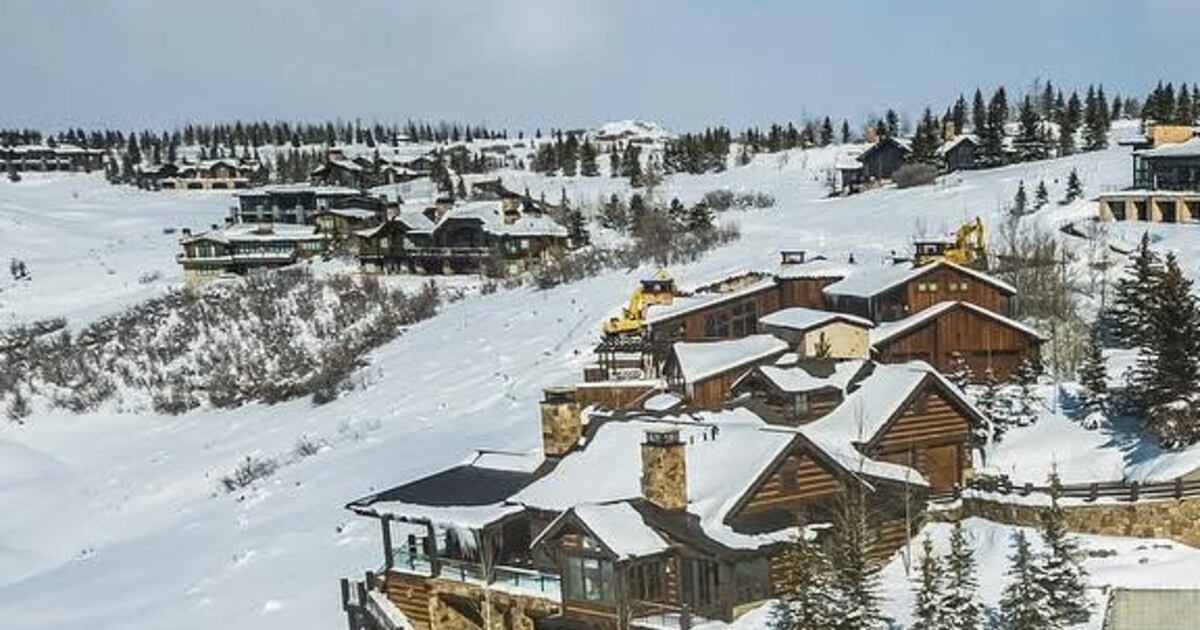
On a Park City build, especially one involving custom-home foundations, location is only one input in qualifying a concrete contractor. "Local concrete contractor" can describe a stated service area or a company's decision to focus on a market. It is not, by itself, evidence that one crew will produce better work than another.
A Park City address does not prove quality, speed, reliability, lower cost, or schedule performance. An off-mountain address does not prove the opposite. Builders still need project-specific evidence: the applicable license information, comparable scope, a named field owner, a complete proposal, and a workable plan for access, inspections, placement, protection, and handoff.
This page explains where local focus belongs in that review. For a side-by-side bid worksheet, use the local and off-mountain concrete logistics comparison.
What Local Focus Can Establish
A contractor's stated service area can help answer a limited set of factual questions:
- Does the company actively pursue work at the project address?
- Has the bidder reviewed the route, site access, staging, and jurisdiction?
- Who will walk the site and own field decisions?
- What notice is required for inspections, placement changes, and return work?
- Is the proposed scope built from the current plans and actual site conditions?
Those answers may show that the bidder has a project-specific mobilization plan. They do not establish the outcome before the work is performed.
What Local Focus Does Not Prove
Do not turn a location, map pin, service-area page, or marketing phrase into a performance claim. None of those facts alone proves:
- workmanship or compliance with the approved design;
- on-time arrival or uninterrupted availability;
- a lower price or fewer change orders;
- better communication or a cleaner handoff;
- familiarity with the exact permit, inspector, site, or builder;
- an endorsement by a builder whose project appears in credited media.
The same evidence standard applies to every bidder. Verify the legal entity and applicable Utah license information, request comparable references, normalize inclusions and exclusions, and identify who has authority to make field decisions.
Mountain Conditions Belong in the Scope
Park City and Summit County projects can involve freeze-thaw exposure, winter protection, sloped lots, restricted access, drainage, snow storage, and coordination with other trades. These conditions should appear as project inputs, not as unsupported claims that one class of contractor handles them better.
For a foundation or flatwork proposal, identify the documents and owners for:
- excavation, subgrade, base preparation, and geotechnical requirements;
- formwork, reinforcement, embedded items, and inspection hold points;
- placement access, concrete supply assumptions, washout, and site controls;
- finish, joints, curing, weather protection, and construction traffic;
- drainage, snowmelt, and interfaces with adjacent work;
- cleanup, punch work, and release to the next trade.
The structural plans, specifications, geotechnical report, approved permit documents, and building official control the actual requirements. A generic mountain-work checklist cannot replace them.
Confirm Jurisdiction Before Using a Checklist
"Park City" in a mailing address does not always identify the authority having jurisdiction. Confirm the parcel and approved permit package before relying on a City or County checklist.
Summit County publishes current building and inspection information through its Building Department and project design criteria through its Design Criteria page. Projects inside Park City limits should use the City's current requirements. The design team and building official remain the project-specific sources of truth.
Compare Controls That Can Be Verified
Ask every bidder to document the same controls:
- Legal entity, applicable license information, and insurance process.
- Current plan revision and complete work breakdown.
- Named estimator, field lead, decision-maker, and backup.
- Site-walk, route, access, staging, washout, and parking plan.
- Inspection, testing, placement-release, and stop-work responsibilities.
- Weather review, cure protection, and post-placement monitoring.
- Change authorization, cleanup, punch work, and next-trade handoff.
This produces a comparison based on named owners and evidence. The nine-item concrete contractor checklist provides a more detailed scope table, while the custom-home vetting guide covers prequalification and references.
Where Summit's Service-Area Focus Fits
Summit Concrete Services publicly identifies Park City and Summit County as its primary service market and publishes scope pages for foundations, driveways, patios, tear-outs, and commercial concrete. That is evidence of the work the company seeks. It is not proof that Summit is the right contractor for every project.
The project-specific review still has to establish scope fit, capacity, access, inspection readiness, field ownership, and handoff expectations. Builders should compare Summit against other qualified bidders using the same documents and questions.
What to Include in an Estimate Request
Provide the information that allows each bidder to evaluate the actual job:
- Project address, parcel, and confirmed jurisdiction.
- Current architectural, structural, civil, and landscape plan revisions that affect concrete.
- Work breakdown and approximate quantities or dimensions.
- Known excavation, access, staging, drainage, snow-storage, or demolition constraints.
- Required inspections, tests, and permit conditions.
- Target sequence and next-trade dependencies.
- Photographs or a requested site-walk date.
A written packet makes location only one input in a larger, evidence-based selection process.
Source Notes