“Local versus off-mountain” is a poor shortcut for selecting a concrete subcontractor. A Park City address does not prove that a crew will perform better. A Salt Lake City address does not prove that a crew will perform worse or arrive late.
What a builder can compare is the plan each company proposes for the actual job: who owns the field scope, how the crew mobilizes, how site and road conditions are checked, how inspections and placement are released, and how a change reaches the person who can act on it.
Convert location into testable questions
Instead of asking whether a company is local, ask:
- Where will the field crew and decision-maker start the day?
- What route and alternate route serve the site?
- Who checks current road, weather, and site-access conditions?
- What notice does the crew need before an inspection or placement change?
- Is the same team committed through forming, placement, cure protection, and cleanup?
- Who can approve extra work, a stop, or a remobilization?
- How is ready-mix, pumping, testing, and the next trade coordinated?
Those answers create an auditable logistics plan. Distance alone does not.
Compare six controls before award
1. Named field ownership
Ask for the superintendent or owner responsible for the concrete package and identify the backup. Confirm whether that person reviewed the drawings and site or is receiving the job after award.
The staffing model can be owner-led, superintendent-led, or crew-led. The important point is a named decision path from the GC to the field.
2. Mobilization and route monitoring
Require a primary route, an alternate, and a current-condition check. UDOT's Wasatch Back project page lists coordinated work on I-80 and SR-224, including projects starting in 2026. Conditions and construction phases change, so use the current UDOT Wasatch Back project information and road information rather than a static travel-time assumption.
This does not mean a particular crew will be delayed. It means the route plan should reflect the day of work.
3. Site access and staging
Mountain and infill sites can limit pump position, truck circulation, crew parking, material storage, and washout. Ask each bidder to mark the access plan before price comparison.
For Summit County projects, the County's construction mitigation materials provide a useful list of controls: supervisor contact, construction access, staging, parking, and on-site documentation. The permit and approved plans determine which controls apply.
4. Inspection and release sequence
Document who requests the inspection, who verifies readiness, and who releases the order. Summit County directs inspection scheduling through EPROCESS 360 from its Building Department page. A Park City address may be governed by Park City rather than the County, so confirm jurisdiction first.
The comparison is not “who says they know the inspector.” It is whether the sub's checklist follows the approved documents and produces a clear release decision.
5. Weather and cure protection
Ask for decision points rather than guarantees: when conditions are reviewed, who decides to proceed, what protection is included, what is an extra, and who monitors the concrete after placement.
Avoid awarding work on a claim that one crew can always pour or that another cannot handle mountain conditions. Weather, mix, design, exposure, site, and approved procedures matter on the specific day.
6. Handoff and remobilization
Define the condition for form removal, backfill interface, waterproofing, framing, utilities, or finish work. Also define who returns for punch items and what triggers a remobilization charge.
A written handoff is more useful than a general statement that a local crew is “available.”
A neutral comparison table
Use the same evidence column for every bidder:
| Control |
Bidder A |
Bidder B |
Evidence required |
| Field owner |
|
|
Named person and backup |
| Mobilization |
|
|
Route and notice plan |
| Access/staging |
|
|
Marked site plan |
| Inspection release |
|
|
Checklist and owner |
| Weather decision |
|
|
Included controls and decision point |
| Handoff |
|
|
Acceptance and return plan |
If a bidder cannot complete a row, that is an open scope question, not automatic proof that the company is unqualified.
When proximity can matter
Proximity may affect mobilization cost, short-notice site visits, or the practicality of a return trip. It may also be outweighed by crew capacity, specialization, current commitments, supplier coordination, or a better project-specific plan.
That is why our guide to what “near me” means on a Park City build focuses on serviceability rather than map distance. Builders can also use the nine-item contractor scope checklist to normalize inclusions before selecting a sub.
Bailey media and relationship boundary
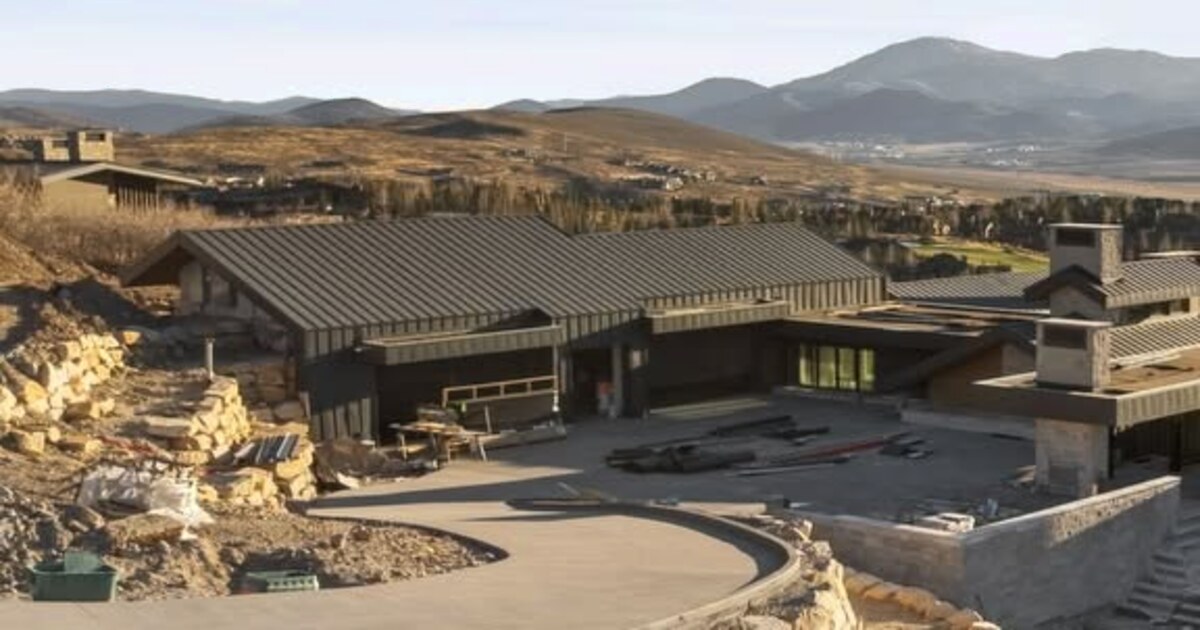
The project photograph accompanying this article is credited to Bailey Construction Park City and is used under the recorded website and GBP media permission. The credit is not an endorsement. It does not establish exclusivity, preferred-sub status, or performance on any Bailey project beyond the exact scope already supported by Summit's item-level project record.
Source notes