A search for “concrete contractor near me” produces a list based on location and search signals. It does not answer the questions a Park City builder needs answered before subcontract award.
For construction, “near” should mean serviceable: the contractor accepts the exact scope, can put a qualified field team on the site, has a workable route and access plan, follows the applicable inspection process, and can support the agreed handoff.
Five tests for serviceability
1. Scope fit
Start with the work, not the radius. A contractor may be close to the address and still not pursue the project type, size, finish, or sequence. Send a concise package with:
- site address and jurisdiction;
- current plan revision;
- concrete work breakdown;
- known excavation, access, drainage, and staging constraints;
- target inspection and next-trade milestones;
- photographs or a requested site-walk date.
For structural work, see Summit's custom-home foundation scope. For exterior work, separate driveway and patio finish and drainage expectations.
2. Field ownership
Ask who reviews the documents, who walks the site, who leads the crew, and who can approve a change. A nearby office does not prove that the decision-maker is available. An off-mountain office does not prove that the project will be handed off poorly.
The useful evidence is a named owner, superintendent, or field lead and a communication path that remains valid through cleanup.
3. Route and access plan
Park City and Summit County access can change with weather, road work, events, or activity at the site. UDOT publishes Wasatch Back project information and current road information, including I-80 and SR-224 corridors.
Ask the contractor to identify the primary route, alternate, day-of condition check, pump or truck position, crew parking, washout, and how a blocked access point changes the placement decision. Do not convert a map estimate into a guaranteed arrival time.
4. Jurisdiction and inspection plan
“Park City” in a mailing address does not by itself identify the authority having jurisdiction. Confirm whether the site is in Park City, unincorporated Summit County, or another authority, then use the approved permit and inspection process for that address.
Summit County says permit submittal and inspection scheduling are handled through EPROCESS 360, and it publishes its current requirements from the Building Department page. A serviceable sub should be able to map its hold points to the controlling plans and inspection requirements without claiming a special relationship with an inspector.
5. Capacity and handoff
Ask what work precedes your project, what prerequisites release mobilization, and who verifies that concrete work is ready for the next trade. Capacity is not proven by distance, fleet size, or a promise of immediate availability.
Define the handoff in writing: inspection evidence, cure and protection responsibilities, form-removal or backfill interface, cleanup, open punch items, and return conditions.
A “near me” call script for builders
Use the same questions with every candidate:
- Do you pursue this exact scope and project size?
- Who owns the estimate and field decisions?
- Can you review the current plan revision and site before final scope?
- What access, staging, inspection, or testing information do you need?
- What is included through cure protection and cleanup?
- What assumptions could change the price or sequence?
- Can you document comparable work and provide references?
The answers should become part of the bid comparison, not disappear after the first call.
Location is evidence only when tied to a control
There are legitimate reasons to value proximity. A shorter route may make a site walk or return visit more practical. Familiarity with a corridor may improve the questions asked about staging. A defined local service area may reduce ambiguity about whether the company actually wants the work.
None of those facts alone proves better quality, faster completion, lower cost, or fewer schedule changes. For a neutral side-by-side review, use our local and off-mountain logistics comparison.
Verify the company behind the search result
Utah's DOPL system licenses contractors by classification. Check the legal business name and applicable license information through official DOPL services, including the Construction Business Registry, then complete the project-specific insurance, reference, and contract review. DOPL notes that its registry displays only active licensees who have opted in, so absence from that registry is not a complete license-status finding.
A search listing, map pin, photograph, or social account should not substitute for that packet.
Media context
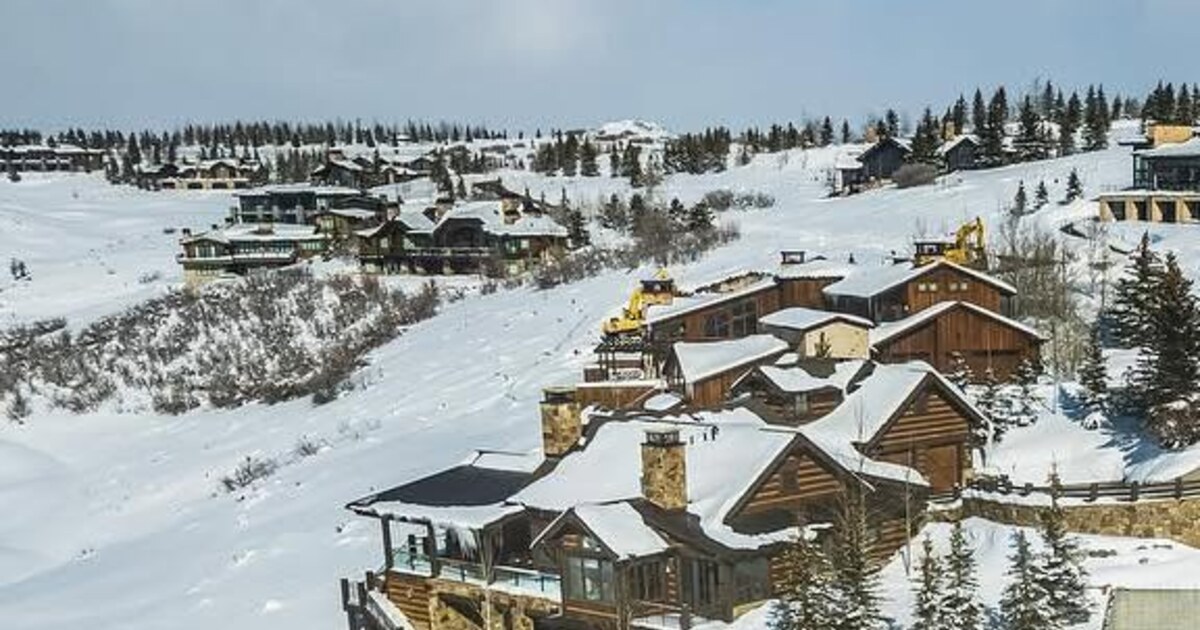
The Bailey Construction Park City photograph on this page is credited media tied to an exact Summit project record. It does not imply a Bailey endorsement, exclusive relationship, or that Summit performed every concrete scope in Bailey's portfolio.
Source notes